



























Humanities: its Disciplinary Lenses

Humanities: its Disciplinary Lenses

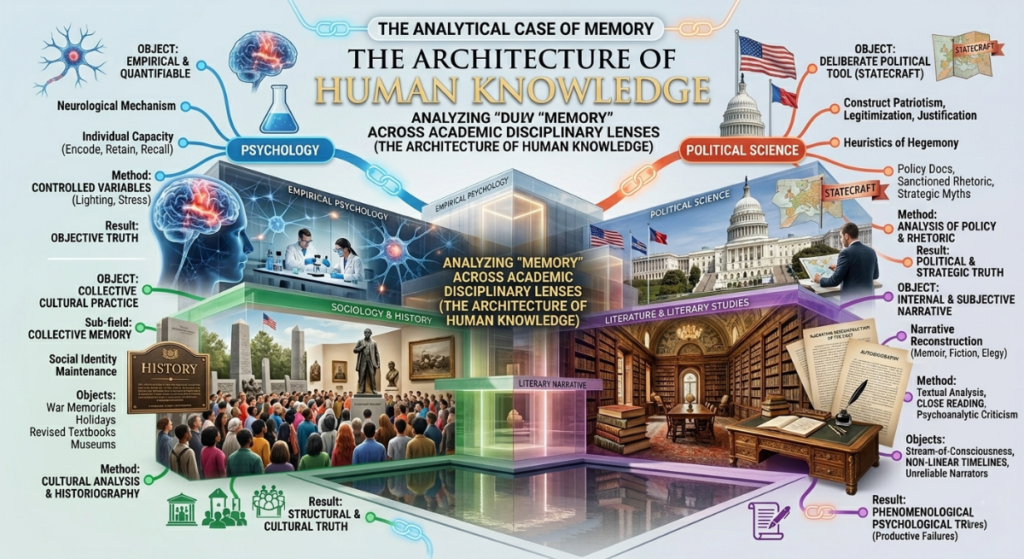
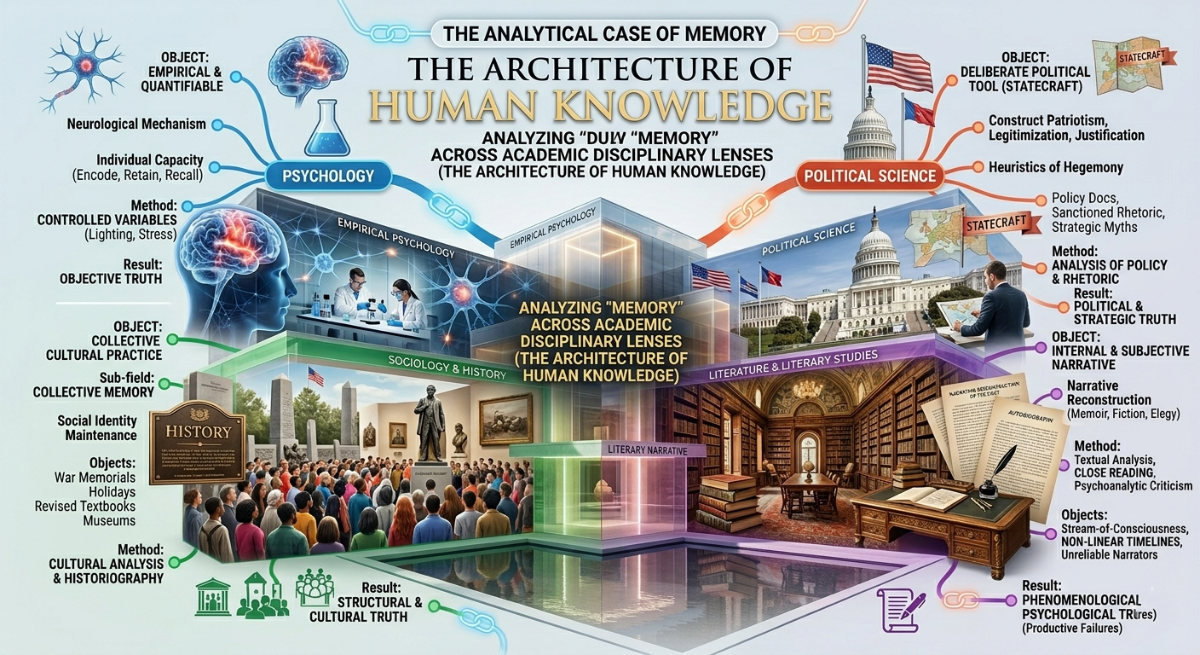
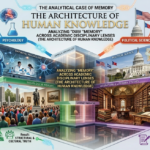
Across the academic spectrum, "Memory" splits into unique operational definitions. In psychology, it is an empirical, quantifiable neurological mechanism bound to the individual organism. In sociology and history, memory shifts to a collective cultural practice, studied through monuments and national holidays to see how societies preserve or distort their past. In political science, it becomes a strategic instrument of statecraft and hegemony, wielded by regimes to construct patriotism and legitimize authority. Finally, in literature and literary studies, memory is an internal, unstable landscape analyzed through narrative reconstruction, exploring how language shapes—and sometimes fails to capture—the subjective human experience.
The Trope and the Geo-Political Friction

The Trope and the Geo-Political Friction

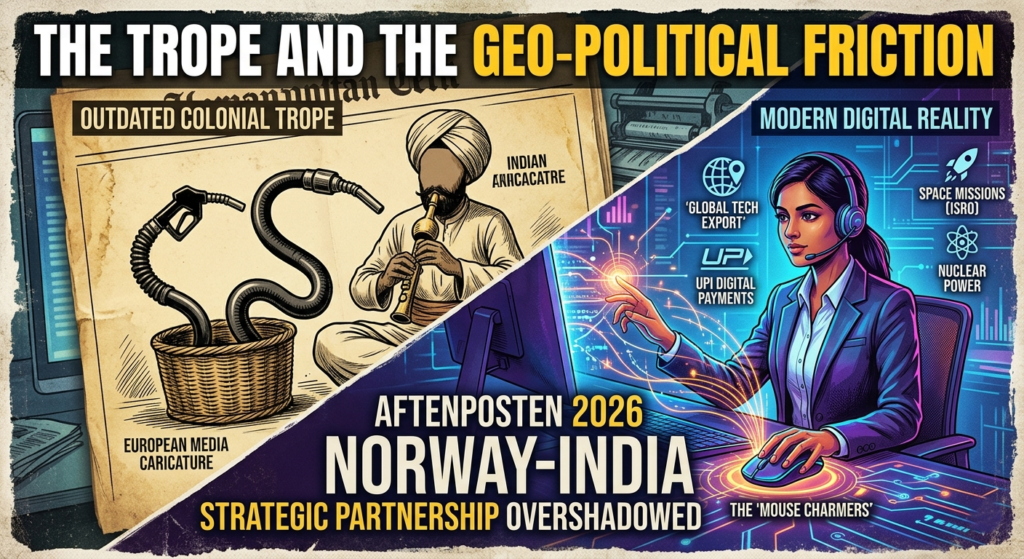
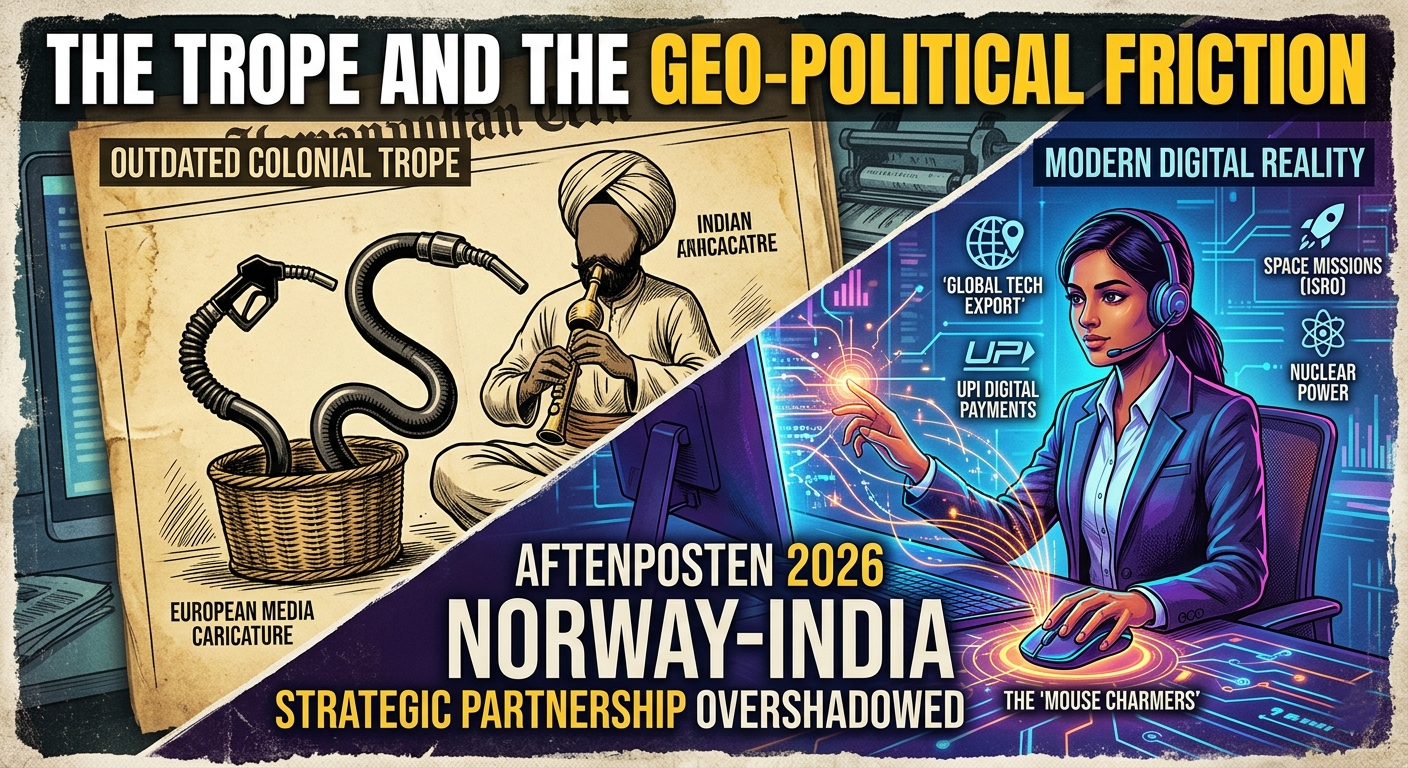
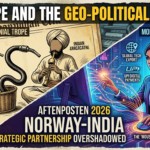
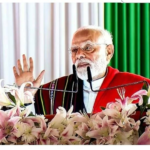
During Indian Prime Minister Narendra Modi’s May 2026 state visit to Oslo, Norway’s leading daily, Aftenposten, ignited a global social media storm by publishing a controversial political cartoon depicting him as a "snake charmer" holding a fuel-pump hose. Intended to critique India’s strategic energy imports, the illustration backfired heavily. Critics and global netizens fiercely condemned the imagery as a blatantly racist, neo-colonial trope reducing a modern digital superpower to a 19th-century stereotype. Digital platforms erupted with a massive counter-troll campaign, weaponizing data on India’s technological public infrastructure to expose the fading relevance of outdated Western media biases.
Face: An Indelible Scar

Face: An Indelible Scar

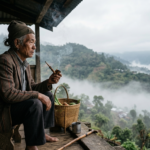
Look at him; really look at him and see how he was not merely mocked but systematically unmade. A horrific scar, the brutal signature of a wooden blow, carved a path of agony from his left cheek to his right, a permanent brand of malice left by those who saw his humanity as a playground for their cruelty.
Ngaihtuahna a Khu Vivit Khenkhat

Ngaihtuahna a Khu Vivit Khenkhat

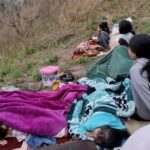
2016 kum vel ahi a, lawi leh paaite toh ka picnic na'ng uah, ka teacher luite mikhat guest didan in ka chial ua, ka chial bang un a hong ngei a, a thugenna ah hiai hon gen hi. "...ka ann nekte, ka puansilhte, ka sumzatte him him, sianglou tak a muh ahih lou ding" chih hon gen in tuni dong ka lungsim a hon vut tinten hi.
My First Visit to Press

My First Visit to Press

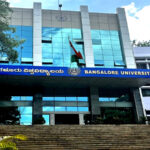
It was a remarkably fine morning on the 25th of January, 2014. A cool, refreshing air lingered beneath the sky and moved softly through the trees as we gathered at the Shivaji Nagar Bus Terminal in Bangalore. We were second-year Journalism (JPS) students from St. Joseph’s Evening College,
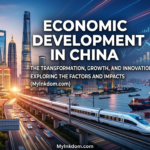
Economic Development in China

Economic Development in China

The ascent of the Chinese model presents a provocative alternative to Western liberal democracy. By prioritizing administrative efficiency, long-term stability, and collective economic advancement over the often-chaotic fluctuations of partisan politics, the Chinese system has demonstrated an ability to lift hundreds of millions out of poverty with unmatched speed. Ultimately, China’s economic development succeeds because its functioning government makes the system work, contrasting with democratic structures where vast diversity, fragmentation, and political volatility can frequently stall progress.