
It was a remarkably fine morning on the 25th of January, 2014. A cool, refreshing air lingered beneath the sky and moved softly through the trees as we gathered at the Shivaji Nagar Bus Terminal in Bangalore. We were second-year Journalism (JPS) students from St Joseph’s Evening College, embarking on a journey to witness the heartbeat of the media industry. One by one, we arrived at the terminal with a sense of punctuality and purpose. Once our group was complete, at around 8:20 AM, we set out toward our destination. For those of us who find a home in travel, the journey was a collection of moments that stick to the soul—memories destined to last until the heart itself departs into fragments. Led by our dedicated teacher, Sister Sally, whose commitment and guidance were the pillars of this trip, we felt a deep sense of gratitude for the opportunity to see the practical side of our curriculum.
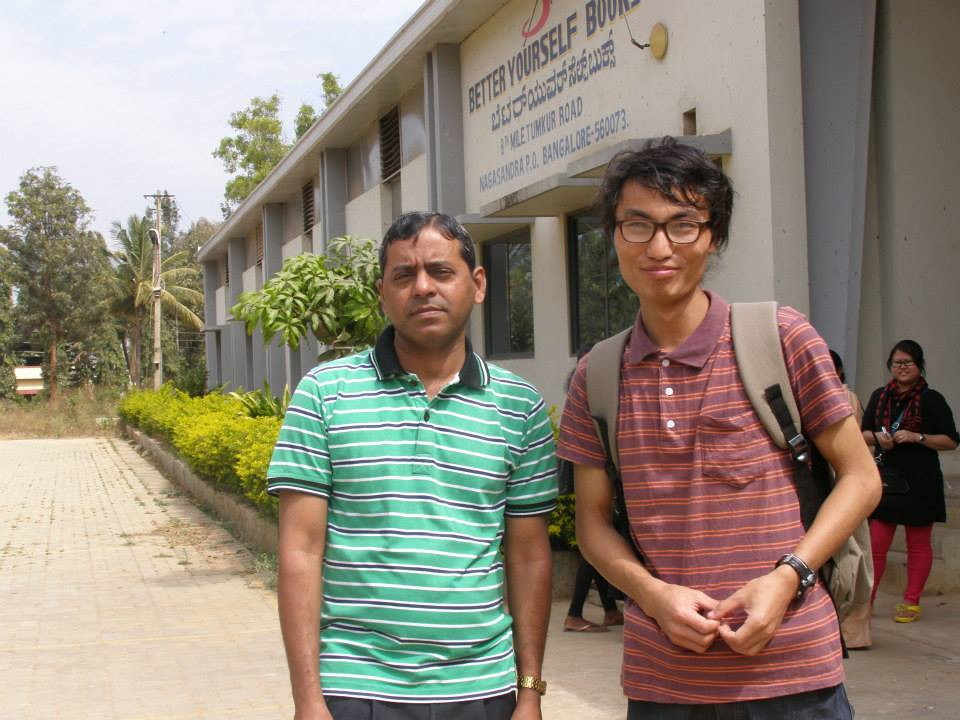
The journey was long but filled with anticipation. After travelling a significant distance, we reached the area known as 8th Mile, where we transferred to another bus that led us to the final gates of our destination. A simple but significant signboard greeted us: “ST. PAUL’S PRESS”. Upon entering, we were met by the Father in charge of the facility. He was a man of great warmth and wit, possessing a rare ability to make us laugh at every doorway while simultaneously sharing profound knowledge. His friendly demeanour broke the ice, allowing a fit of curiosity to take hold of us. As journalism students, we came armed with questions, eager to understand the life cycle of a story once it leaves the editor’s desk. We questioned him on everything from the mechanics of the machines to the specific types of paper used for books versus newspapers.
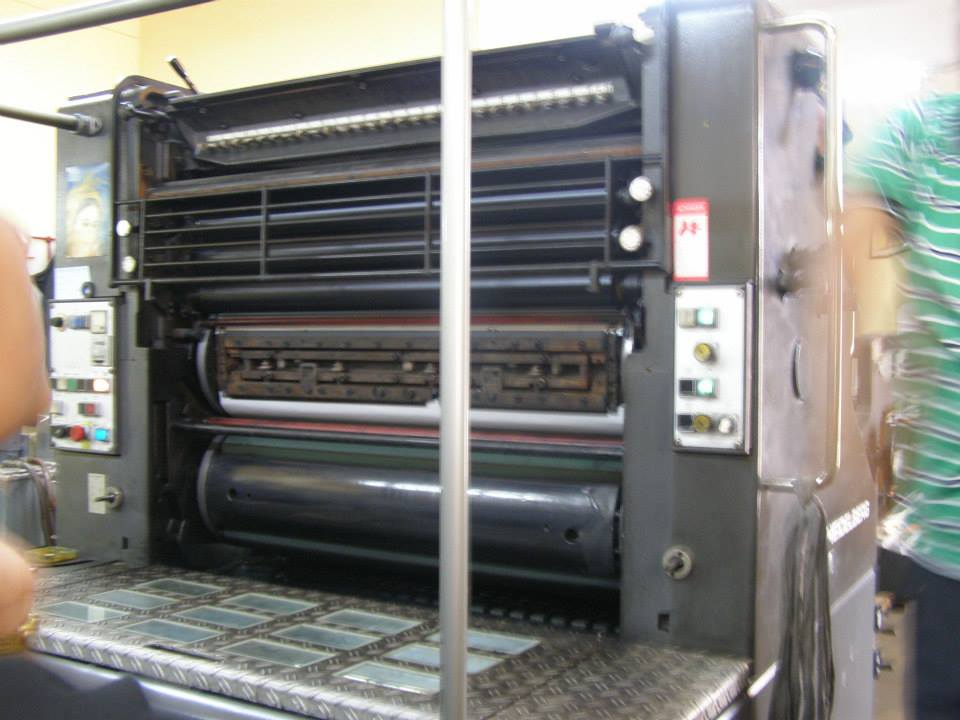
The technical education we received was thorough and precise. The Father explained that the modern printing process begins at the computer, but the physical magic happens through the conversion of files into printing plates. We learnt about the delicate transition from the negative plate to the positive plate—a procedure that requires “intrinsic care” because the plates are highly sophisticated and sensitive. He warned us that if an excess of light passes through the plates during this phase, the work is rendered null and void. We watched as the crew handled these materials with precision, using black sheet covers for protection and washing the positive plates with specific chemicals to remove unwanted particles. These plates, which appeared as simple as laminated paper, were then mounted onto the massive Heidelberg machines to produce copies at incredible speeds.
As the sheets flew through the press, we realised the scale of the operation. A single printed sheet was much larger than an A3 page, containing anywhere from 4 to 16 pages depending on the final book size. Once printed, these huge piles were moved to a cutting station where a sharp, mechanical blade sliced through thick stacks of paper in a single, effortless motion. Following the cut, the pages were sent to a highly mechanised folding machine. We watched, mesmerized, as the machine folded the paper and sent it downward to the binding section. Here, in the final stage of assembly, the pages were arranged in their correct order and bound together using a specific industrial gum. In that moment, a stack of loose paper finally transformed into a finished book, ready for sale, reading, or export.
Before we concluded our visit, we were led into the massive storehouse—a space that felt like both a warehouse and an extraordinary library combined. The room housed lakhs of books, organised across storied plots, shelves, and bundles that seemed to defy explanation. It was a humbling sight for any journalism student to see the sheer volume of information preserved in that space. Our day ended as we left the press and gathered at a local hotel to share a meal. Over lunch, we reflected on the reality of what we had seen, translating our classroom theories into the tangible smell of ink and paper. We finally boarded the bus back to the city, returning home safe and sound, forever changed by our glimpse into the world of the St Paul’s Press.